By Rina DiRisio
If you're buying a home in Oakville with children in mind, you already know the list goes well beyond square footage and school ratings. The question of child safety at home starts the moment you walk through a front door, in the layout, the lot, the neighbourhood, and the features that make daily family life feel easy and relaxed. After more than three decades helping families settle into Oakville, I've learned to see homes through that lens from the very first showing.
Key Takeaways
-
Child safety at home begins with the layout and physical features of the property itself.
-
The neighbourhood environment — green space, traffic patterns, walkability — matters as much as what's inside.
-
Certain home features consistently make family life safer and more comfortable in Oakville's market.
-
Knowing what to look for helps you buy with confidence, not compromise.
How a Home's Layout Shapes Day-to-Day Safety
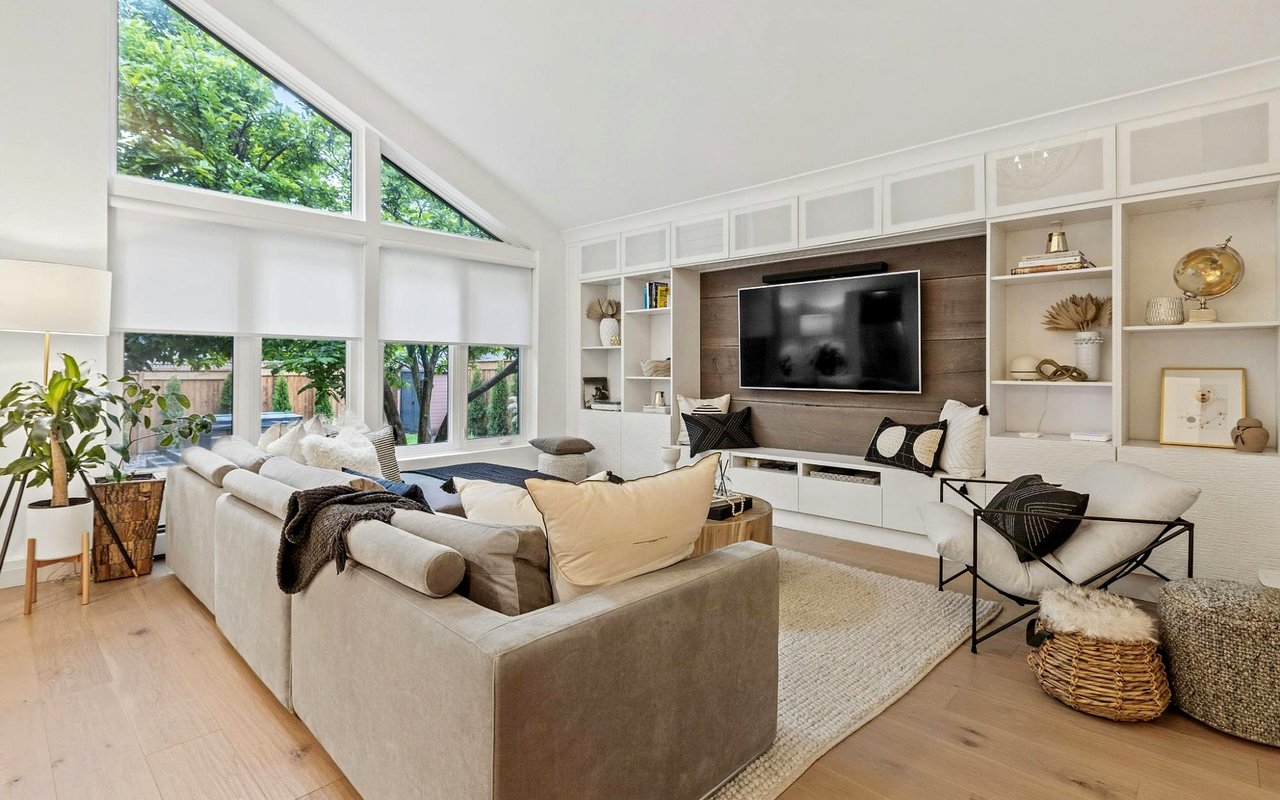
The way a home is arranged has a direct effect on how safely and comfortably children move through it. Open-concept main floors, where kitchens connect to living and dining areas, make it easier for parents to keep a natural eye on younger kids without having to move between rooms. Homes that isolate the kitchen behind walls and doors can feel more formal, but in a busy family home, sightlines matter.
Bedroom placement is another consideration many buyers don't think about until they're living in the home. In Oakville's family-oriented neighbourhoods like West Oak Trails and River Oaks, you'll find plenty of homes where children's bedrooms are clustered together on the same floor as the primary suite. This layout works well for families with young children.
Bedroom placement is another consideration many buyers don't think about until they're living in the home. In Oakville's family-oriented neighbourhoods like West Oak Trails and River Oaks, you'll find plenty of homes where children's bedrooms are clustered together on the same floor as the primary suite. This layout works well for families with young children.
Layout Features Worth Prioritizing
-
Open main-floor sightlines: Kitchens that look out to living areas keep younger children visible during everyday routines.
-
Bedrooms on the same level: Keeps younger children close without requiring a separate staircase trip in the middle of the night.
-
Low-traffic entry points: Homes with mudrooms or defined entryways create a natural transition zone between outside and in.
-
Garage access from inside: A feature common in newer Oakville builds that keeps kids from having to cross a driveway independently.
What the Lot and Outdoor Space Tell You
Outdoor space is one of the first things Oakville families ask about. A fenced backyard is one of the most consistently requested features I see from buyers with young children, and it's a practical one. It allows kids to move freely outside while parents maintain awareness from inside the home.
Lot orientation matters too. Homes that back onto a park, ravine, or open green space offer natural play space right outside the door without the unpredictability of a street-facing yard.
Lot orientation matters too. Homes that back onto a park, ravine, or open green space offer natural play space right outside the door without the unpredictability of a street-facing yard.
Outdoor Features That Support Child Safety at Home
-
Fully fenced backyard: A clearly defined outdoor boundary gives children freedom and parents peace of mind.
-
Minimal grade changes: Flat or gently sloping yards are more versatile for younger children than steeply terraced lots.
-
Park or trail backing: Homes adjacent to Oakville's extensive trail network and parks extend usable outdoor space considerably.
-
Driveway setback: Longer driveways with good visibility from inside the home reduce the risk of vehicle and child conflicts.
The Neighbourhood Environment Matters as Much as the Home
In Oakville, where you live, shapes how your children move through the world outside your front door. Neighbourhoods with lower traffic speeds, dedicated trail systems, and walkable access to parks give children a broader range of safe independent movement as they grow.
Communities like Glen Abbey offer the Glen Abbey Community Centre, with swimming, skating, and recreational programming just minutes from most homes. Coronation Park in Southwest Oakville provides 23 acres of lakeside green space along Lakeshore Road West, with playgrounds and splash pads well-used by local families. In West Oak Trails, the Sixteen Mile Creek trail system runs directly through the neighbourhood, offering a car-free corridor for cycling and walking that families genuinely use every day.
Communities like Glen Abbey offer the Glen Abbey Community Centre, with swimming, skating, and recreational programming just minutes from most homes. Coronation Park in Southwest Oakville provides 23 acres of lakeside green space along Lakeshore Road West, with playgrounds and splash pads well-used by local families. In West Oak Trails, the Sixteen Mile Creek trail system runs directly through the neighbourhood, offering a car-free corridor for cycling and walking that families genuinely use every day.
Neighbourhood Attributes That Reinforce Child Safety
-
Traffic-calmed streets: Many of Oakville's established neighbourhoods have low posted speeds and natural traffic controls built into their street design.
-
Dedicated trail networks: Separated paths for cycling and walking reduce conflict with vehicle traffic.
-
Nearby parks with playgrounds: Postridge Park, Lions Valley Park, and Bronte Heritage Park are all within easy reach of family-oriented areas.
-
Walkable amenities: Schools, libraries, and community centres within walking distance reduce the need for children to be driven everywhere.
What to Look for Inside the Home Itself
Beyond layout, certain home features consistently come up when I work with families prioritizing child safety at home. These are the details that don't always make it onto a listing sheet but that parents notice immediately during a showing.
Staircase design is one example. Homes with wide, straight staircases and solid railings are easier to navigate safely than tight, spiral, or steep alternatives. Flooring choices affect slip potential in kitchens and bathrooms. Window placement on upper floors, particularly how low windows sit relative to the floor, is worth noting when children are in the picture.
Staircase design is one example. Homes with wide, straight staircases and solid railings are easier to navigate safely than tight, spiral, or steep alternatives. Flooring choices affect slip potential in kitchens and bathrooms. Window placement on upper floors, particularly how low windows sit relative to the floor, is worth noting when children are in the picture.
Interior Details to Assess on Every Showing
-
Staircase configuration: Straight runs with solid, code-compliant railings are the safest option for families with young children.
-
Bathroom placement: Main-floor powder rooms reduce the frequency with which young children need to navigate stairs independently.
-
Flooring surfaces: Hardwood and tile can be slippery; homes with textured surfaces or carpet in play areas offer more traction.
-
Window height on upper floors: Check how close to the floor windows open, particularly in children's bedrooms.
FAQs
What should I prioritize if I'm buying with a toddler versus a school-aged child?
The needs shift considerably between those stages. For toddlers, interior layout, fencing, and stair design tend to matter most. For school-aged children, the neighbourhood itself — trail access, walkability, and proximity to parks — becomes just as important as the home's features. I can help you weigh both depending on where your family is right now.
Are newer Oakville homes generally better for child safety at home?
Not necessarily better, just different. Newer builds in North Oakville tend to have open-concept layouts, attached garages with interior access, and modern staircase designs. Older homes in established neighbourhoods like Morrison or Southwest Oakville often have larger lots, more mature landscaping, and better-defined outdoor spaces. Both can work beautifully for families.
How much should child-safety features influence my offer price?
Certain features, like a fenced yard or an interior garage entry, are genuinely worth paying for because they're costly to add later. Others are more cosmetic and easier to address after purchase. I'll help you think through which features represent real value versus which ones you can update on your own timeline.
Contact Rina DiRisio Today
Finding a home that works for your whole family takes more than a checklist. It takes someone who knows Oakville's neighbourhoods deeply, understands how different homes live in practice, and will be honest with you when a property doesn't quite fit your family's needs.
I'd love to help you find a home that feels right from the moment you walk in. Reach out to me, Rina DiRisio, and let's start the conversation.
I'd love to help you find a home that feels right from the moment you walk in. Reach out to me, Rina DiRisio, and let's start the conversation.
